Recognizing the Various Sorts Of A/c System for Optimum Efficiency
Understanding the different kinds of a/c systems is important for homeowners intending to boost comfort and power efficiency. Central air systems give uniform temperature control, while ductless mini-split systems supply adaptability. Warm pumps provide reliable year-round climate management. For smaller sized spaces, window and portable a/c unit act as sensible solutions. Geothermal systems use regular below ground temperature levels for lasting heating and cooling. Each choice holds special advantages, triggering a better exam of which might match individual demands best.
Central Air Solutions
Several property owners look for means to improve interior comfort, understanding main air conditioning systems is important for effective environment control. Central air conditioning runs by flowing amazing air with a system of ducts, distributing it equally throughout the home. This type of system includes numerous crucial components, consisting of an outdoor compressor, an interior evaporator coil, and a network of ductwork.
The compressor cools cooling agent, which then takes in warm from interior air as it travels through the evaporator coil. This cooled down air is pushed through the air ducts and right into living rooms, guaranteeing a consistent temperature level. Central air conditioning systems are known for their performance, usually making use of programmable thermostats to enhance energy use. Normal maintenance, such as filter adjustments and system checks, is crucial to ensure longevity and performance. Comprehending these elements helps property owners make informed choices relating to installment and maintenance, inevitably improving convenience and energy effectiveness in their homes.
Ductless Mini-Split Equipments
Ductless mini-split systems use a versatile choice to typical central air conditioning, accommodating property owners seeking effective climate control without the need for comprehensive ductwork. These systems include an exterior compressor system and one or more interior air-handling devices, enabling for targeted cooling and home heating in details locations or areas. This zoning capability enhances convenience by allowing customers to readjust temperature levels based upon private preferences, inevitably bring about power savings.
Installation is typically less complex and less intrusive compared to ducted systems, which can be beneficial for older homes or spaces with minimal architectural adjustments. In addition, ductless mini-split systems commonly feature energy-efficient technologies, such as inverter-driven compressors, which maximize energy usage based upon demand. Their compact design likewise permits numerous positioning alternatives, making them ideal for limited or unusual spaces. As an outcome, ductless mini-split systems have actually obtained appeal amongst house owners seeking modern, reliable HVAC options.
Warm Pumps
Warm pumps represent an energy-efficient and versatile choice for both heating and cooling down residential spaces. These systems run by moving warmth instead of generating it, making them especially efficient in modest environments. During warmer months, heatpump draw out warm from inside your home and release it outside, offering air conditioning. On the other hand, in winter, they reverse this process, drawing warmth from the outdoors air or ground to warm up the interior.
There are two primary sorts of heat pumps: air-source and ground-source (or geothermal) Air-source heat pumps are a lot more typical due to their less complex installment and lower initial cost, while ground-source models boast higher performance and security in performance. In addition, heatpump can significantly lower energy costs and carbon impacts when contrasted to conventional home heating techniques, making them an environmentally friendly choice. Generally, warmth pumps stand as a compelling option for property owners seeking reliable environment control throughout the year.
Window and Portable Air Conditioners
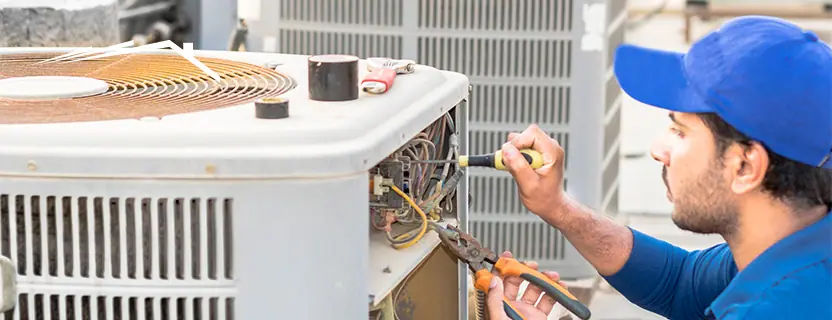
On the other hand, mobile air conditioning system supply versatility, as they can be conveniently relocated from area to area. These systems usually require an airing vent set to tire hot air through a window, yet they offer a practical choice for short-lived cooling needs.
Both kinds of air conditioning unit are suitable for tenants and those looking for to avoid comprehensive setup procedures. Customers need to think about elements such as BTU capacity, energy effectiveness scores, and noise degrees when selecting a device to guarantee peak performance for their details space and cooling demands.
Geothermal Heating & Cooling Systems
As power effectiveness becomes significantly crucial, geothermal cooling and heating systems have gained appeal for their sustainable strategy to environment control. These systems use the stable temperatures located below ground to offer heating in winter months and air conditioning in summertime. By using the earth's all-natural thermal energy, geothermal systems substantially decrease dependence on fossil gas and reduced energy prices.
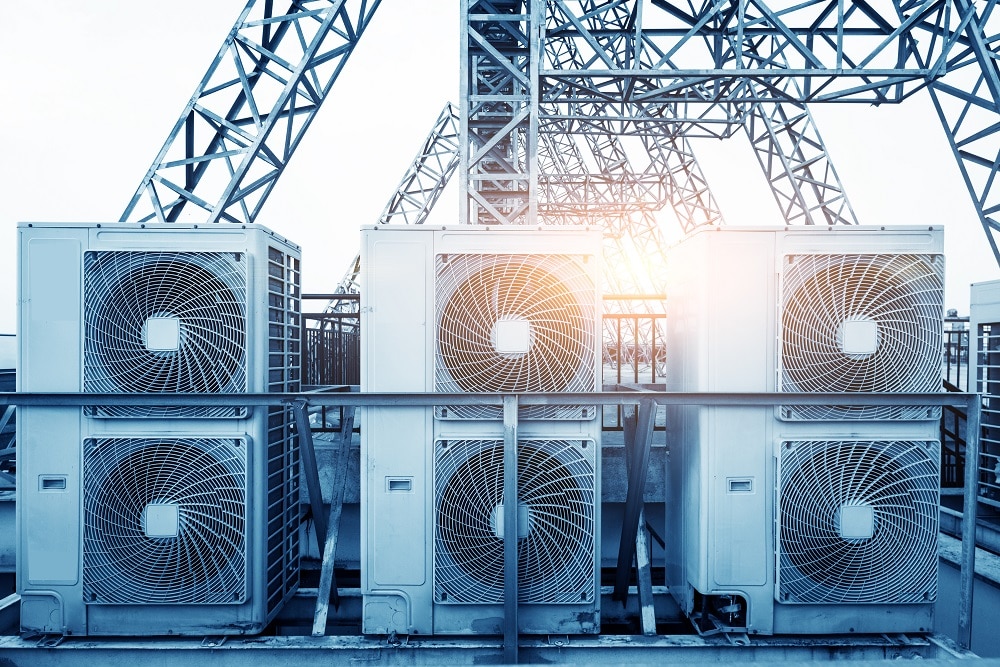
Furthermore, geothermal systems generally call for less maintenance contrasted to traditional HVAC systems, leading more information to long-lasting financial savings - HVAC experts. With raising recognition of climate adjustment, these systems stand for a forward-thinking solution for those looking for reliable and environment-friendly home heating and cooling down alternatives
Regularly Asked Questions
Just how Frequently Should I Solution My Cooling And Heating System?
Cooling and heating systems should ideally be serviced twice a year, once in the springtime and as soon as in the autumn. Normal upkeep aids assure effectiveness, prolongs life expectancy, and prevents costly malfunctions during optimal usage periods.
What Dimension A/c System Do I Need for My Home?
Establishing the proper size for an a/c system requires computing the home's square video footage, insulation top quality, and environment. An expert assessment assurances maximum performance, comfort, and energy cost savings customized to the certain needs of the home.
Can I Install a HVAC System Myself?
Mounting a HVAC system individually is possible, yet it calls for technical knowledge and abilities. Blunders can bring about ineffectiveness or safety threats, so seeking advice from a specialist is often suggested to assure appropriate setup and compliance with policies.
What Are the Indications My A/c System Requirements Repair Service?
Indicators that a cooling and heating system requires fixing consist of unusual noises, inconsistent temperatures, enhanced energy expenses, unpleasant you can try here smells, and constant biking. Trigger attention to these indicators can avoid further damages and warranty height system performance.
Just How Can I Improve My HVAC System's Power Effectiveness?
To enhance a/c energy efficiency, one need to routinely replace filters, seal air ducts, mount a programmable thermostat, guarantee proper insulation, and timetable routine upkeep checks. HVAC experts. These activities collectively improve efficiency while decreasing energy consumption and costs
Central air conditioning systems provide uniform temperature level control, while ductless mini-split systems offer flexibility. Central air conditioning runs by flowing cool air via a system of air ducts, distributing it evenly throughout the home. Central air conditioning systems are known for their performance, often making use of programmable thermostats to maximize energy usage. Ductless mini-split systems use a versatile alternative to typical central air conditioning, catering to homeowners looking for efficient climate control without the view demand for substantial ductwork. Geothermal systems usually need much less upkeep contrasted to traditional HVAC systems, resulting in long-lasting financial savings.